Category: Travel

  • St. Ninian´s

    On my way home from Jarlshof I made one further stop – at St. Ninian´s Isle. St. Ninian´s Isle is a small tidal island on the south-western coast of Shetland and connected to mainland Shetland with a “tombolo”.
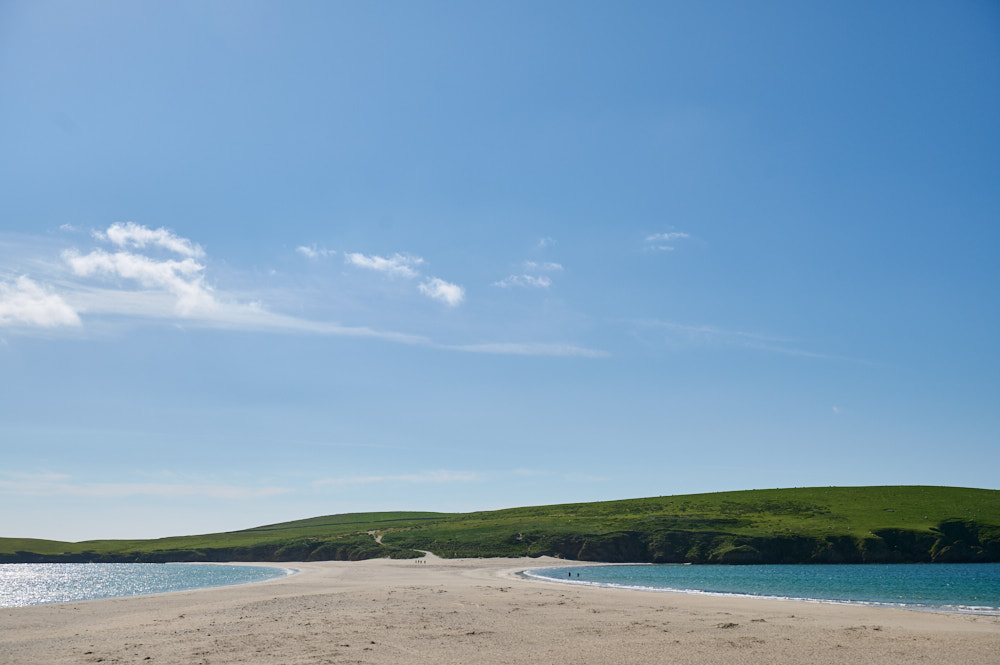
    Looking over to St. Ninians Isle in Shetland.

    A tombolo is a narrow piece of sand connecting an island to the mainland – the tombolo or locally known as “ayre” connecting St. Ninian´s Isle to mainland Shetland is the biggest one in the UK.

    The causeway is usually covered by the sea in the wintertime with waves crashing over it and “returns” in spring to let walkers cross it to the island.
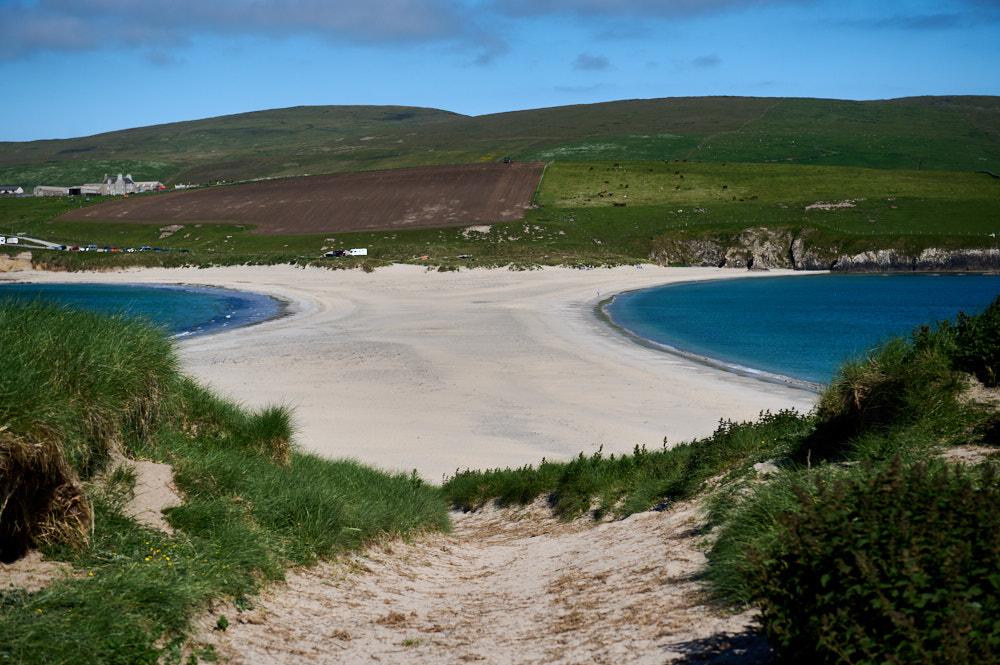
    Looking over to St. Ninians Isle in Shetland.
    View from St. Ninian´s Isle towards the mainland.

    A small chapel from the 12th century or better said the ruins of a small chapel dedicated to Shetland’s patron saint, St. Ninian of Galloway can be found at the end of the causeway, but somehow I missed it. I walked to the isle and up a bit, but decided to return another time for the circular walk as it was already late in the day.
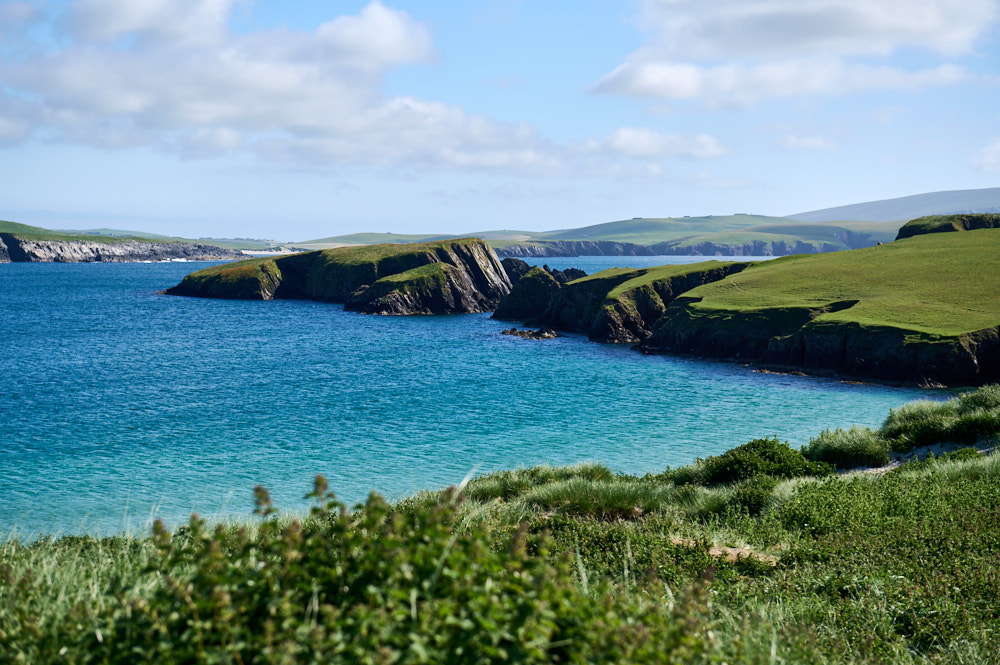
    Looking over to St. Ninians Isle in Shetland.

    But under the chapel, there were already older buildings, Neolithic graves have been found under the (former) floor of the chapel.

    In 1958, an excavation found a hoard of 8th century silver in the chapel grounds under a stone slab in a wooden box, which caused a renewed archaeological interest in the island. (St. Ninian´s Isle)

    28 Pictish silver objects and the jaw bone of a porpoise were buried under a cross-marked slab close to the altar. It might have been buried there to hide it or stolen from a Viking raid. The remains of a pre-Norse chapel were also found.
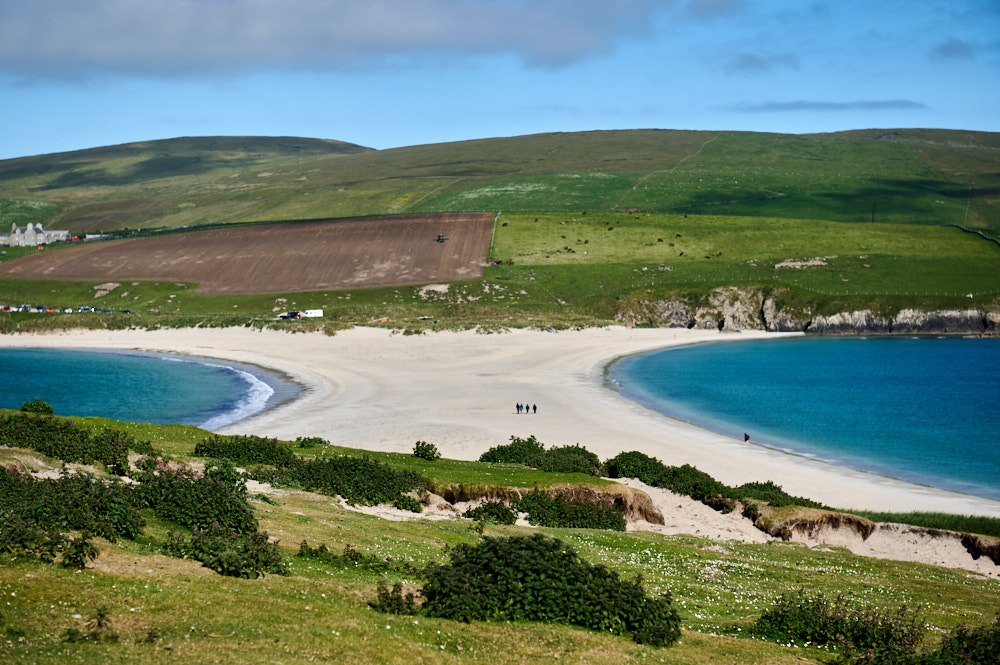
    Looking over to St. Ninians Isle in Shetland.

    Shetland was formed after the glacial times,

    Spits, bars and ayres or tombolos are characteristic of the inner coast and voes of Shetland. They are typical of submerging coastlines. Today in Shetland you are never more than 5km from the sea but it wasn’t always like this. During glacial times, a large amount of water was locked away as ice, making sea levels considerably lower. Only when the ice began to melt some 12,000 years ago did the seas begin to rise. (Shetland Heritage)

    Much of Shetland was flooded as the lower ends drowned in the sea and the many sea inlets,  the ‘voes’ now so characteristic for Shetland, were formed. It was also the rising sea levels that formed the causeways and stunning sandy beaches.
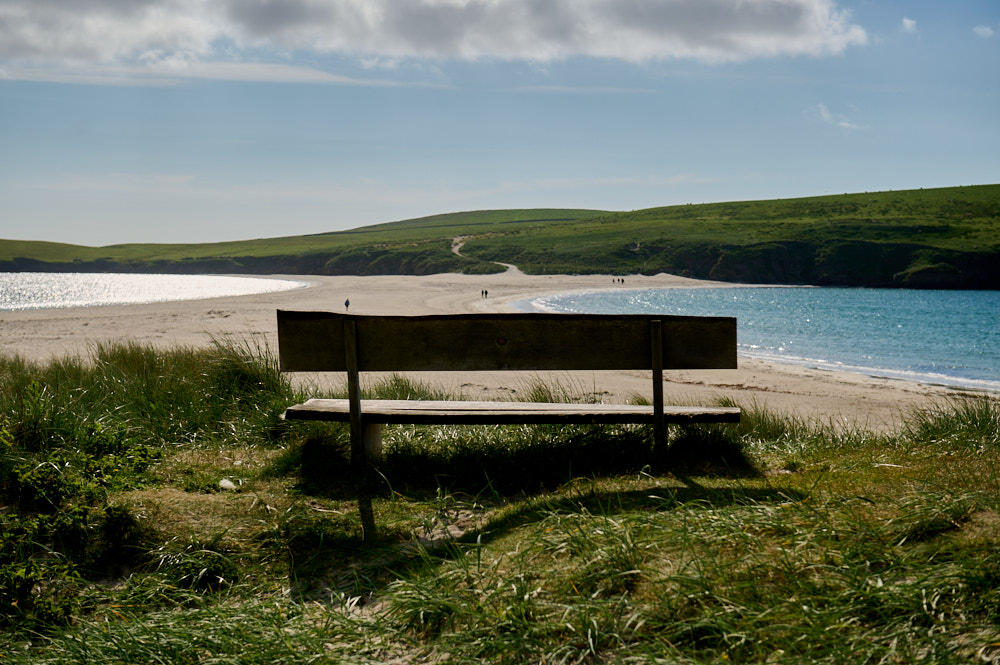
    Looking over to St. Ninians Isle in Shetland.

    It doesn´t get dark in Shetland in the summer, it was late evening already and after a short break on this bench, it was time to go home for the day.
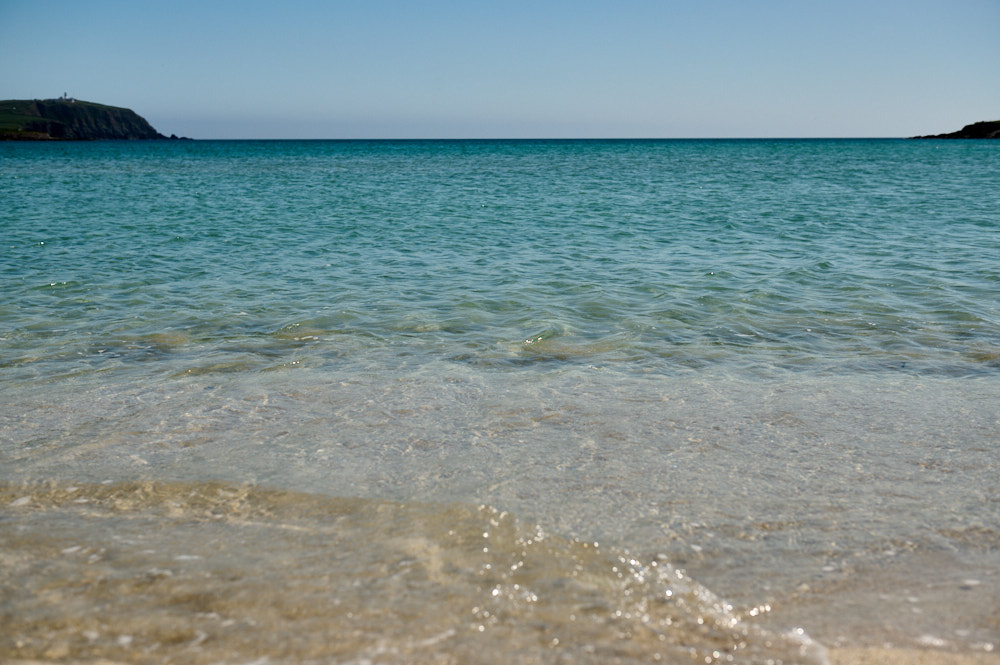
     

  • West Voe Beach

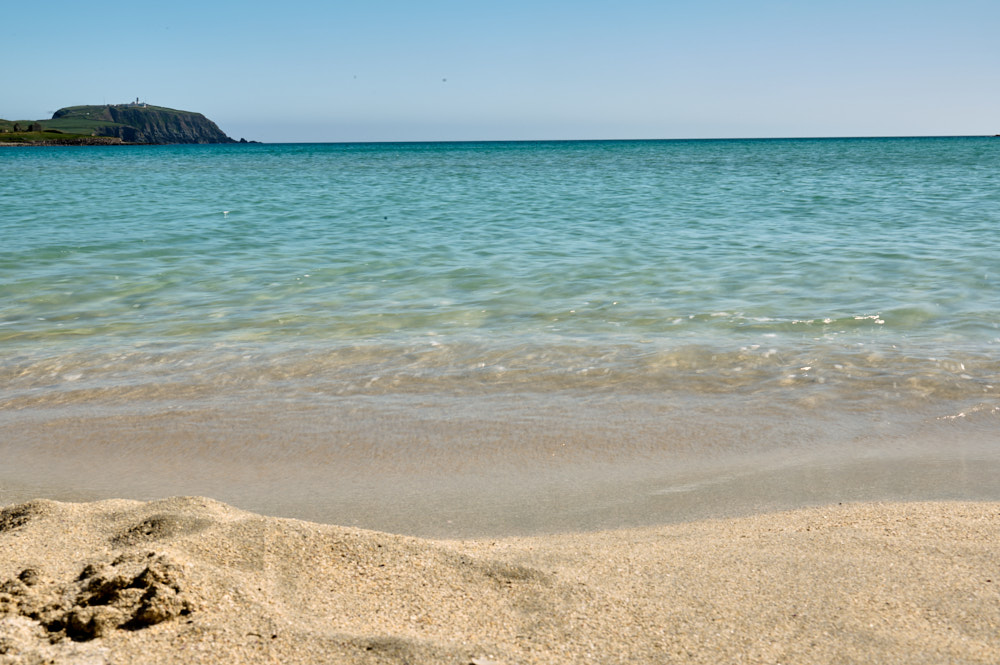
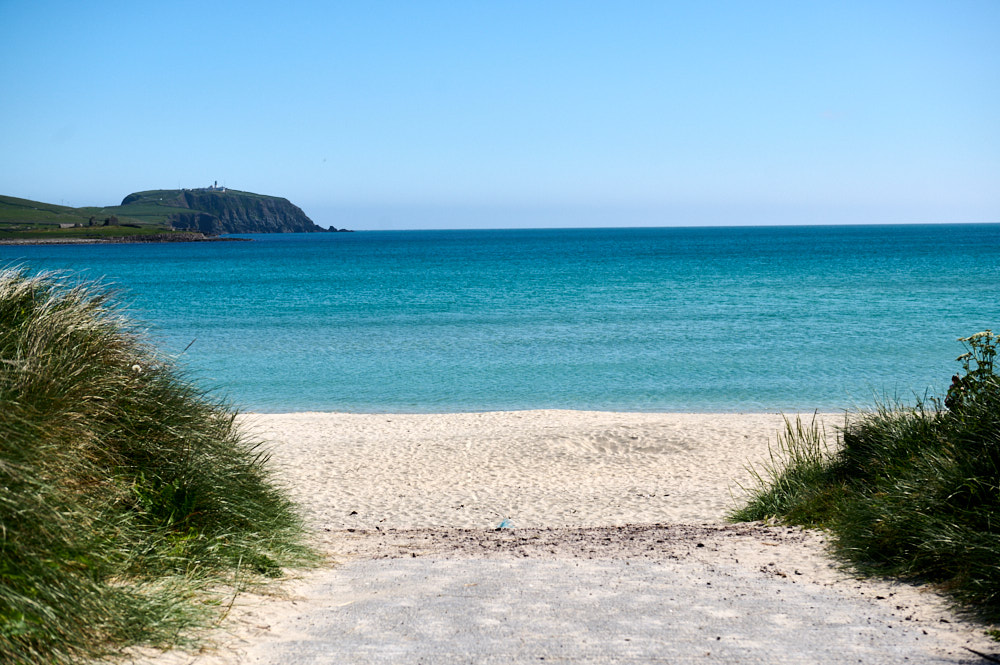
    West Voe beach near Sumburgh Shetland in Scotland, white sands and turquoise water.

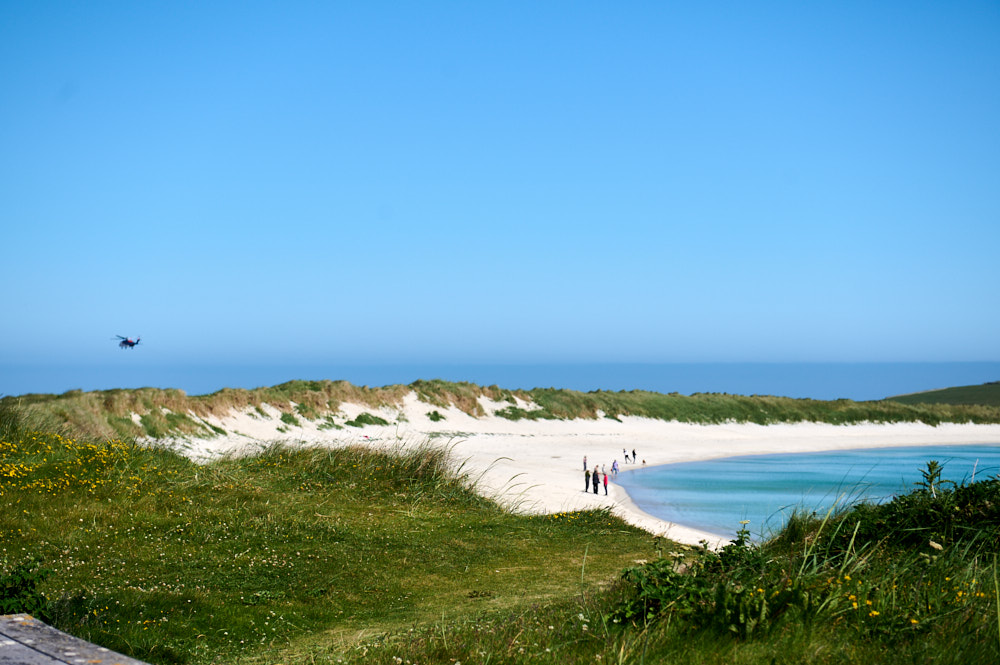
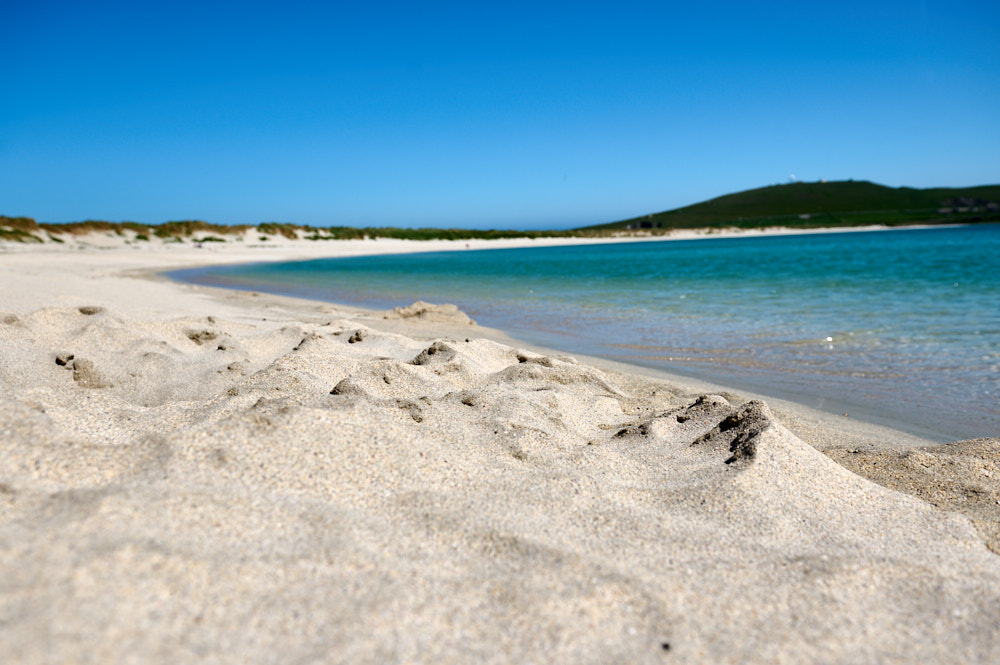
    The beaches in Scotland will never cease to amaze me – white sand and crystal clear turquoise water.

    West Voe beach near Sumburgh Shetland in Scotland, white sands and turquoise water.

    I just had to walk or better-said drive around the corner from Jarlshof to West Voe beach. On the left side of the photo, you see the lighthouse at Sumburgh Head in the back and just endless waves straight ahead.

    West Voe beach near Sumburgh Shetland in Scotland, white sands and turquoise water.

    It is a stunning beach and offers a beautiful walk but one has to say it is not the quietest one. At least not while I was there. West Voe beach is right next to Shetland´s airport and helicopters were flying in and out.

    West Voe beach near Sumburgh Shetland in Scotland, white sands and turquoise water.

    It might look like a Caribbean beach but probably felt a bit colder, the water was really nice though!

    West Voe beach near Sumburgh Shetland in Scotland, white sands and turquoise water.

  • Jarlshof

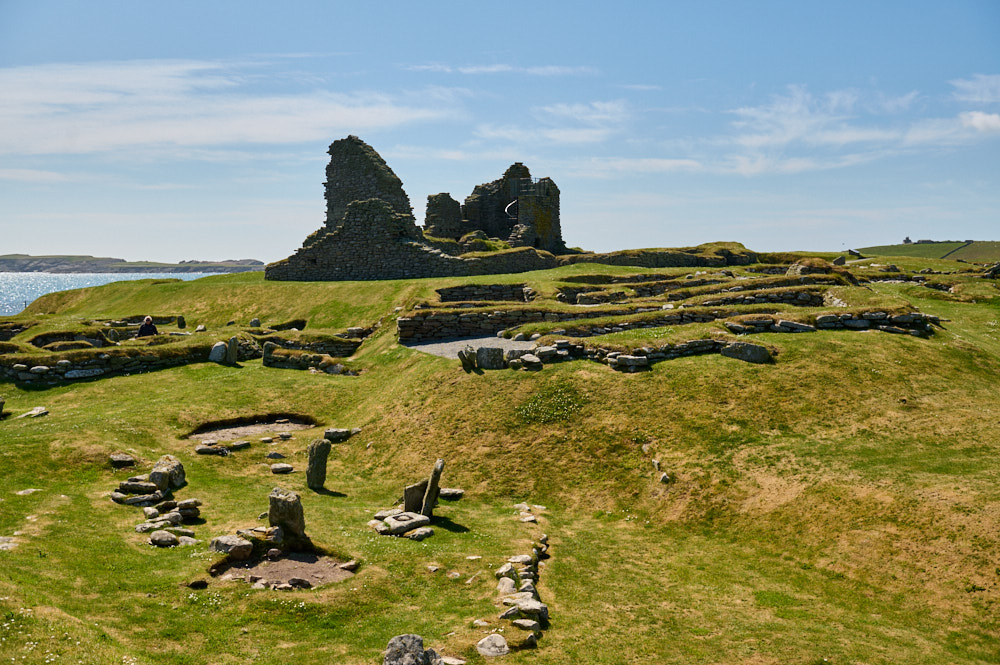
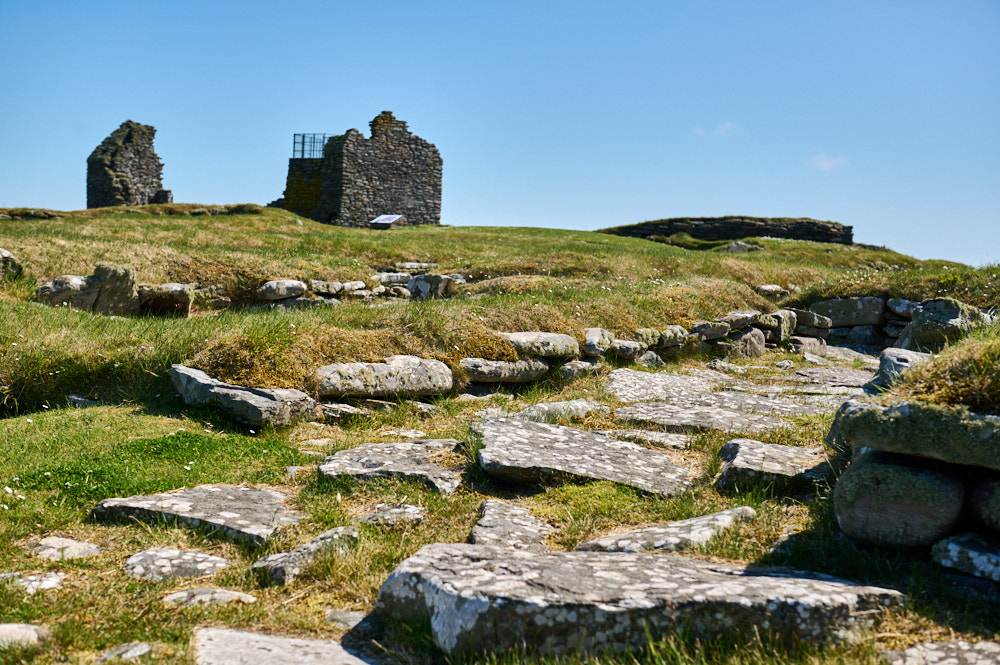
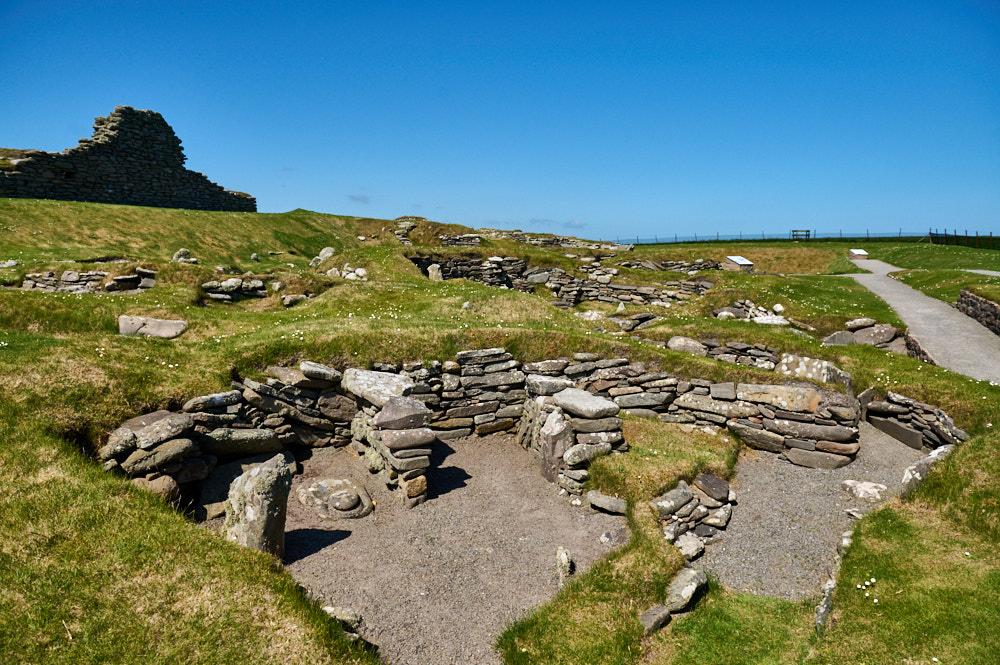
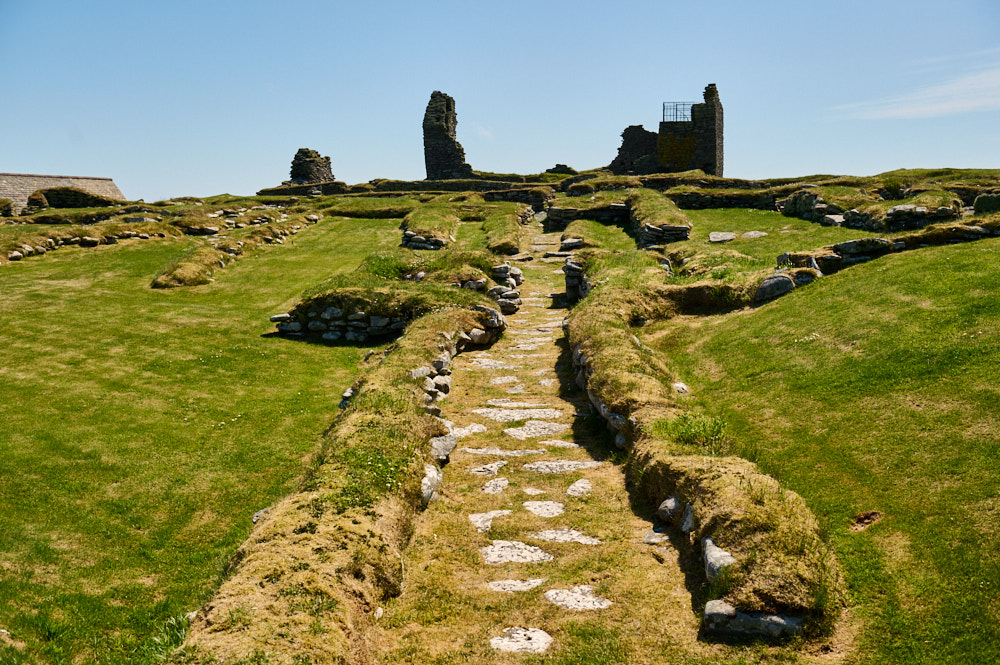
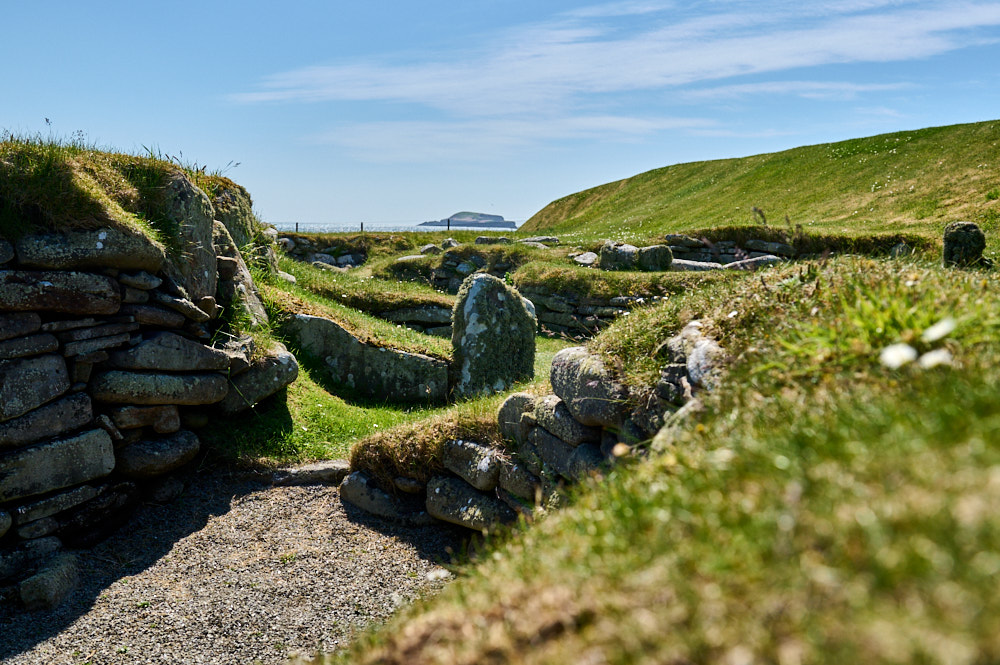
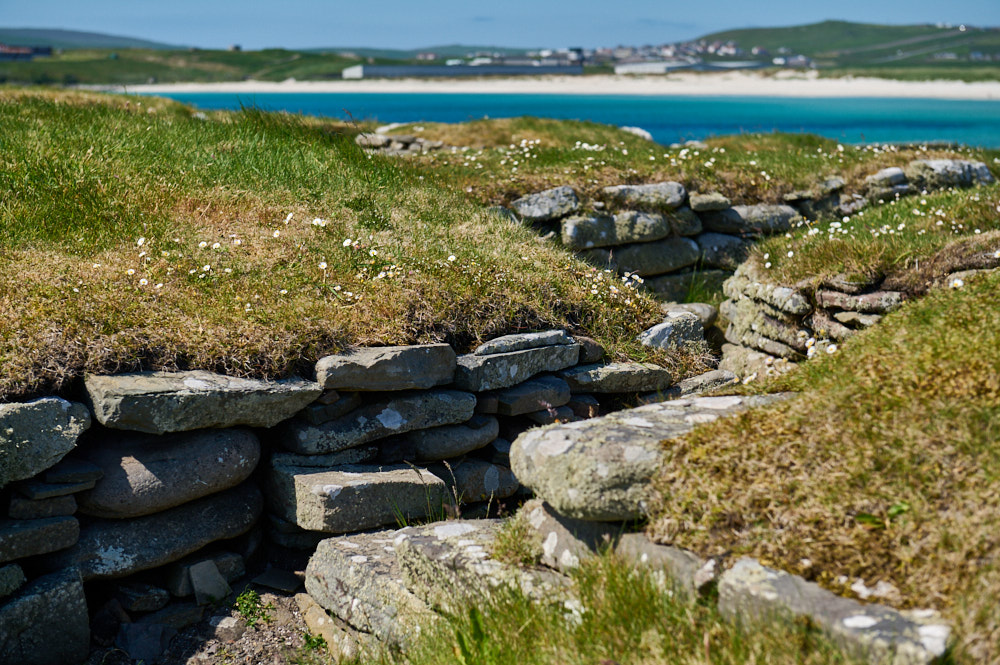
    Exploring Jarlshof, one of the most inspirational archaeological sites in Scotland.

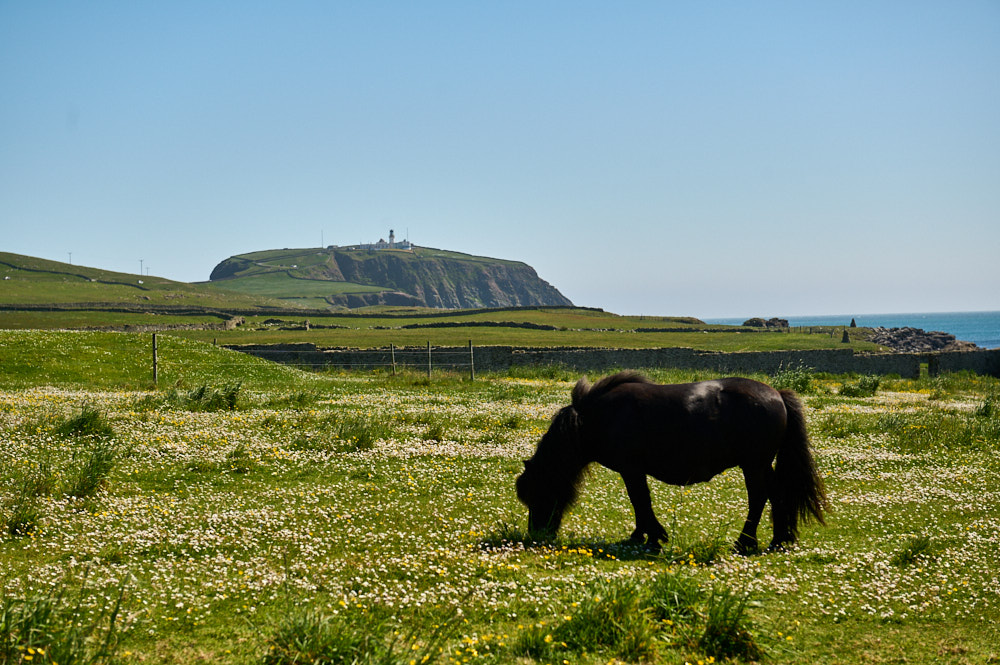
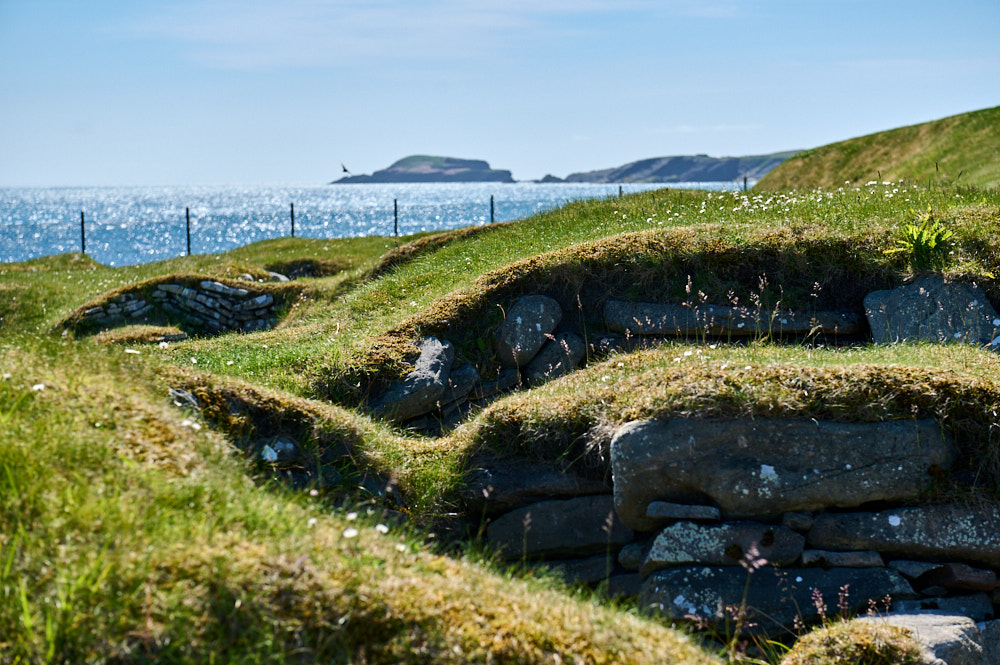
    Jarlshof greeted me with my first Shetland ponies and a lovely view of Sumburgh Lighthouse – it was just a short drive from there. Beautiful situated on the southwest coast of Shetland Jarlshof is like a step by step overview of the last 4500 years – it is like a walk through history.

    It is almost as if, some 4,500 years ago, someone set aside a piece of land and declared that its purpose was to provide future generations with examples of every important form of habitation used by the people of the day. (Undiscovered Scotland)

    Exploring Jarlshof, one of the most inspirational archaeological sites in Scotland.

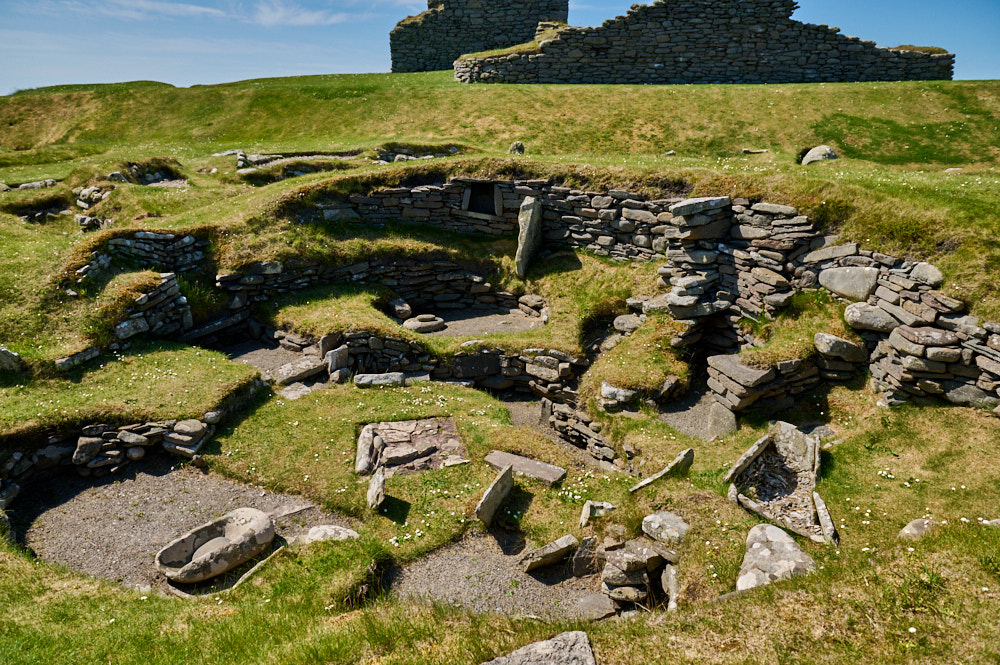
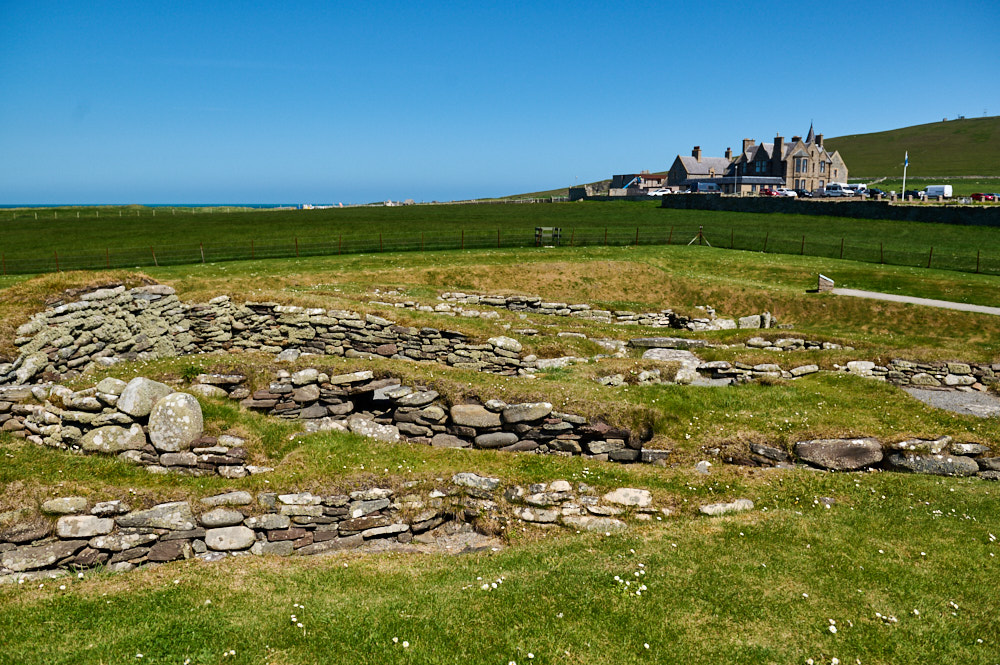
    The results are houses upon houses, starting in the Stone Age, Bronze Age, Iron Age, Pictish, Norse and Medieval eras, up through to the 1600s.

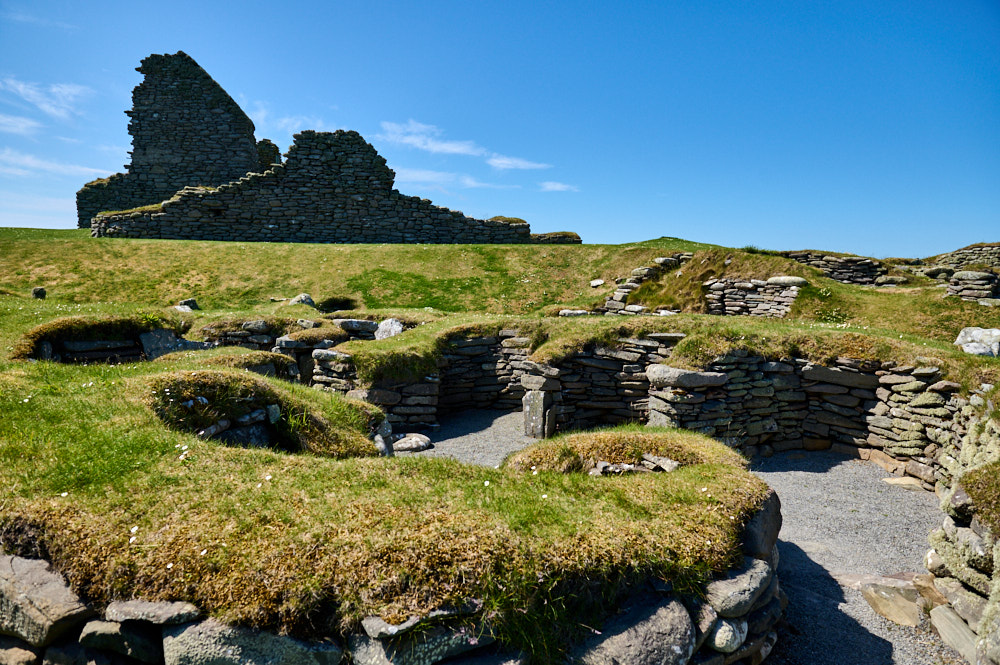
    Starting at the entrance near the oldest buildings one continues through time, houses from the Bronze Age overlapping the Stone Age era to the floorplan of the Iron Age with souterrains and storage cellars.

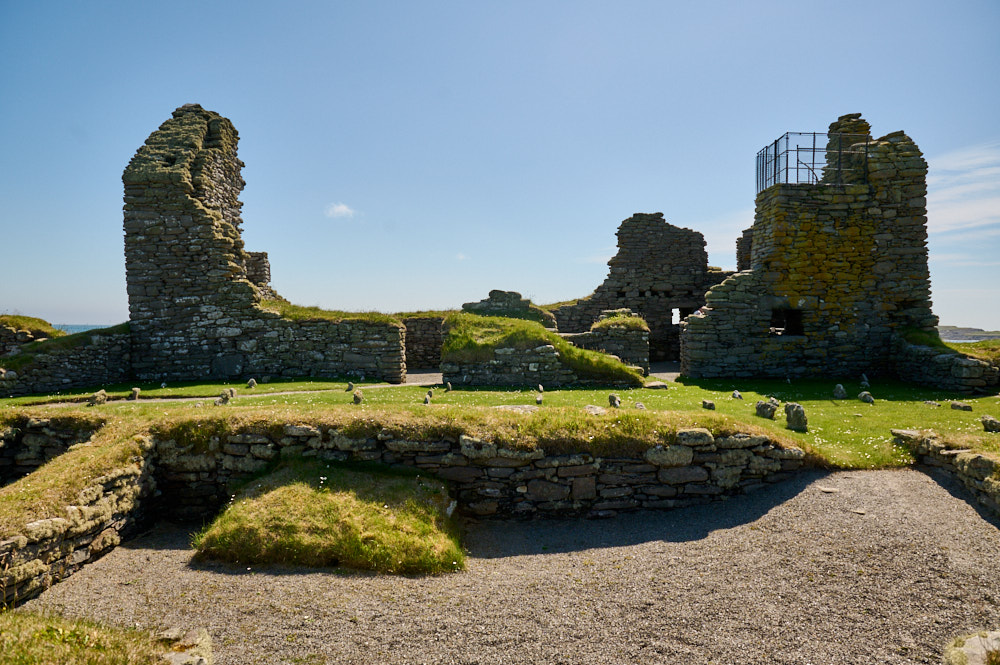
    Exploring Jarlshof, one of the most inspirational archaeological sites in Scotland.Exploring Jarlshof, one of the most inspirational archaeological sites in Scotland.A broch, almost overbuilt by a house in 1604 is the next part of our history tour, houses built on houses, history stacking on history. Old stones used to build new houses, a recurring theme not only in Scotland.
    Exploring Jarlshof, one of the most inspirational archaeological sites in Scotland.

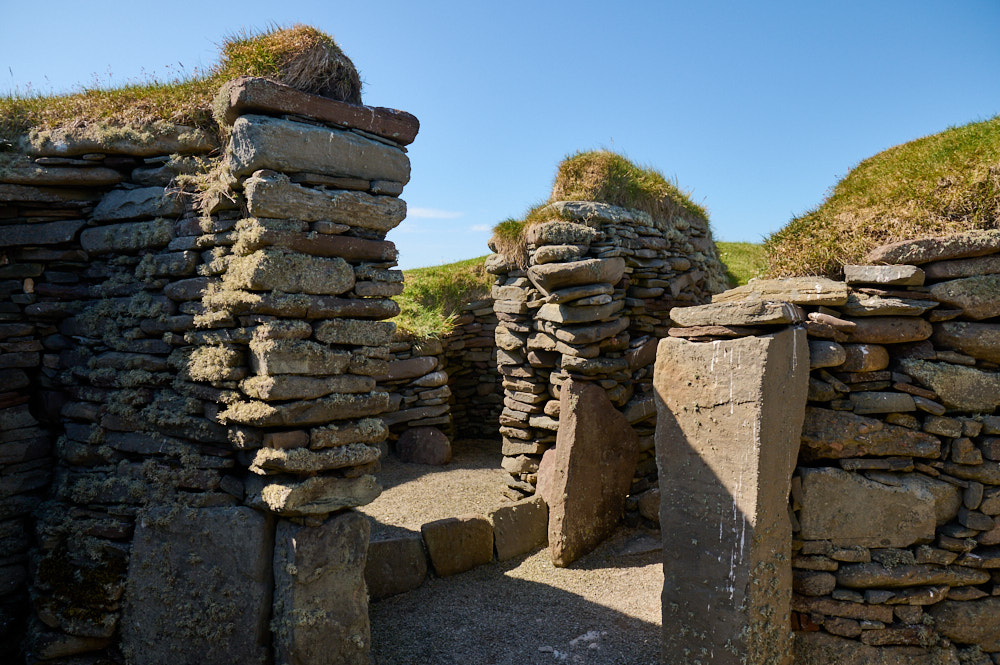
    Four Pictish wheelhouses are our next stop on our journey through history, probably the most complete houses in Jarlshof, it is possible to walk in (or better said down) and really see former generations living here.

    Exploring Jarlshof, one of the most inspirational archaeological sites in Scotland.Exploring Jarlshof, one of the most inspirational archaeological sites in Scotland.Exploring Jarlshof, one of the most inspirational archaeological sites in Scotland.

    We are standing in the middle of a Norse village, developed in the years from 850 to 1300, after that, it was abandoned for the mediaeval farmhouse right next to the village. But not for long, the farmhouse also became derelict in the 15th century or better said it was again reconstructed to become a fortified house in the 16th century.

    In 1472 Shetland formally became part of Scotland and in the mid 16th century Earl Robert Stewart became Lord of Shetland. He constructed the building now known as New Hall as his main base in Shetland.

    Exploring Jarlshof, one of the most inspirational archaeological sites in Scotland.

    In the 1600s the house, then the castle was further reconstructed and renamed “Old House of Sumburgh”. In the late 17th century the site was abandoned completely and it was the first time after 4000 years that Jarlshof was not inhabited.

    Exploring Jarlshof, one of the most inspirational archaeological sites in Scotland.

    The name “Jarlshof” was created by no other than Scotlands loved novelist Sir Walter Scott. Parts of his novel “The Pirate” were set at Sumburgh and Scott called it Jarlshof.

    Exploring Jarlshof, one of the most inspirational archaeological sites in Scotland. Exploring Jarlshof, one of the most inspirational archaeological sites in Scotland. Exploring Jarlshof, one of the most inspirational archaeological sites in Scotland.Jarlshof, a journey through history.

    Layer upon layer of settlement built up on the headland. Earlier houses were abandoned and later ones built on top. Sand blown by the wind from the nearby dunes settled in between the layers and eventually sealed and protected the whole site. (Historic Enviorement for Scotland)

    Storms in the 1890s finally revealed the hidden settlements and houses. Excavations from the 1890s up to the 1950s discovered the layers of time, houses built on houses.

    The first people to reach Shetland probably landed not far from Jarlshof some 5,000 to 6,000 years ago. Fragments can be seen of the earliest dwellings at Jarlshof, dating from around 2700 BC. (Historic Enviroment for Scotland)

    Exploring Jarlshof, one of the most inspirational archaeological sites in Scotland.

    During my visit, the small museum run by the Historic Environment for Scotland was closed, but the site was open for visits and I was able to walk around the site, except going up the stairs in the castle, these were also closed.